Fourth Cornerstone of Epigenetics – Food Choices
Here we are. The final Cornerstone of Epigenetics – food. One of my favorite topics. Makes sense since we literally put food and drink into our bodies. This isn’t exposure by proximity!
Food as Exposure — and as Medicine
And that is one way to look at the foods we eat – potential exposure. But the reverse is also true – the foods we eat can be more powerful than medicines in supporting our health.
When we look at these concepts through the lens of epigenetics, we’re acknowledging that what we eat can change how effectively our biochemistry works. And that will be different depending upon the person, their individual story and their unique genetic coding. Epigenetics is where we truly find that a one-size-fits-all diet just doesn’t cut it!
Why One-Size-Fits-All Nutrition Falls Short
This is one of my favorite examples. Have you ever met someone who drinks a cup (or more) of coffee in the evening to be able to relax and go to sleep? I venture to say that more folks are too stimulated by caffeine to be able to rest well after a cuppa...but it all depends on your genetics. Caffeine can slow enzymes involved in serotonin metabolism. That means for someone who has lower levels of serotonin, caffeine can actually raise both serotonin and melatonin, creating a calmer sense inside.
When we eat (and drink) intuitively, listening to our appetite and cravings, I do believe we’re actually self-treating our biochemistry, filling the gaps of what our body needs. Food truly is medicine.
When Food Becomes a Source of Chemical Exposure
Until it’s not… and that’s often less about the food itself and more about what comes along with it.
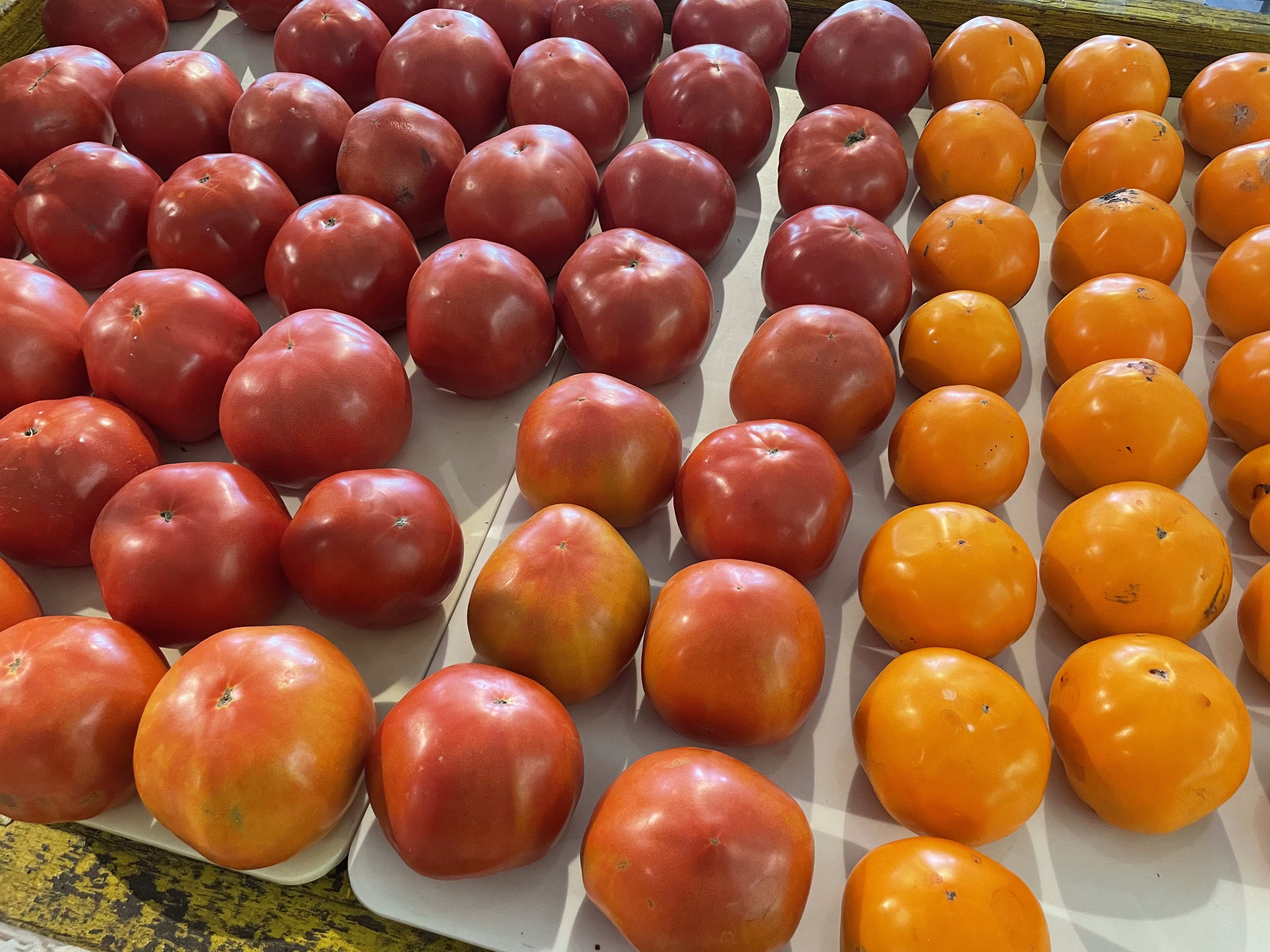
At this point, we could spend a few days talking about all of the “stuff” in our food – hormones, antibiotics, glyphosate, excess salt, sugar, and even GMOs. Instead of jumping full into the craziness, let’s focus on produce – the fruits and vegetables we eat. Why? Plants are some of our most powerful epigenetic messengers — which makes protecting their quality especially important.
A Simple Tool for Smarter Produce Choices
And because there is an excellent, practical tool out there for choosing produce! (And I like easy!!)
The concern with produce is the multiple chemicals used to prevent damage from disease and pests before it gets to market. While there is a lot of debate on the effects of these chemicals on human health, I boil it down to this: if we can avoid a non-natural chemical, we avoid both known and unknown effects. (And I love to be proactive and preventive!)
And the cheat sheet??? The Environmental Working Group (EWG) Shopper’s Guide to Pesticides in Produce Full List.
This is a list of 46 popular produce items ranked by the amount of pesticide contamination. The top twelve (1-12) are those with a higher level of chemical contamination; these are known as the Dirty Dozen. The bottom fifteen (31-46) are those with a much lower level of contamination; these are known as the Clean Fifteen. They’ve even added a “middle of the list” list – those fruits and vegetables which didn’t make the Clean Fifteen or Dirty Dozen lists.
And that is why the EWG publishes this list, updated, every year – to allow us to make proactive produce choices. When shopping for any of the Dirty Dozen, consider investing in organically farmed products, which does not allow the use of synthetic pesticides and other chemicals. And when shopping for items on the Clean Fifteen list, feel free to skip the organic as the non-organic is already pretty clean! And keep in mind this applies to fresh and frozen produce!
In using the Shopper’s Guide, you’re choosing how to support your health both by (potentially) eating more fruits and vegetables and by decreasing the amount of chemical exposure you experience.
And that is self-care!
How This Fits Into the Four Cornerstones of Epigenetics
Which is ultimately the purpose of the Four Cornerstones of Epigenetics — giving you a way to understand your body’s signals and respond with intention. Where can you minimize your big stressors? What can you do to improve your quality and quantity of sleep? How can you minimize environmental exposures both through body-care products and food choices? Our food choices carry the heaviest burden — because they can both support healing and quietly increase chemical exposure.
60-Second Self-Care
The Clean Fifteen and Dirty Dozen lists by the Environmental Working Group have been around since 2004. They are each updated annually based on testing performed by the USDA. The lists give insight into which produce items may serve our health better by using the organic version.
Take a peek at the current list. Which foods are regularly in your shopping cart? Would there be any benefit to changing to organic?
And if none of these foods is regularly on your plate – how can you increase your fruits and veggies?
Practice, Not Perfection
Food is often where epigenetics becomes most tangible — because it can both support healing and act as a source of environmental exposure. That dual role makes it powerful, but also personal.
Together, the Four Cornerstones of Epigenetics offer a framework for noticing where your body feels supported and where it feels strained — whether from stress, sleep disruption, environmental exposures, or food itself.
Going forward, the goal isn’t perfection. It’s awareness, choice, and compassion — using what you’ve learned to make small, meaningful shifts that add up over time.
From here, we’ll start exploring how these cornerstones show up in real life — food sensitivities, genetics, stress patterns, and the small choices that shape how your body responds over time.


