
Is it really as simple as finding the "root cause"?
When symptoms keep changing, we naturally start looking for the thing underneath all of it.
The one food. The one deficiency. The one exposure. The one diagnosis. The one answer that will finally make sense of the whole mess.
We want a clean explanation because a clean explanation sounds like it should lead to a clean solution. Find the root cause. Fix the root cause. Move on with your life and eat what you want.
We probably all know, at least intellectually, that bodies aren't always that tidy, especially when we are talking about inconsistent food reactions, clusters of symptoms, and your very own version of Russian roulette with every meal.
Forgive me for the assumption, but if you are reading this, you have probably already cut foods, added supplements, ordered tests, changed meal timing, followed protocols, and spent more hours than anyone would care to admit trying to understand what happened after lunch.
We all want something solid. Something we can point to and say, “There. That is why this keeps happening.”
That desire makes sense.
Sometimes there really is one clear cause. An infection. A medication reaction. A true food allergy. A specific exposure. Something we can point at that needs some attention.
But more often, what we call the “root cause” is really a changing combination of contributors. Histamine may matter. So might hormones, gut changes, genetics, stress, sleep, environment, or the food itself.
More than one may matter.
And which one matters most can change over time.
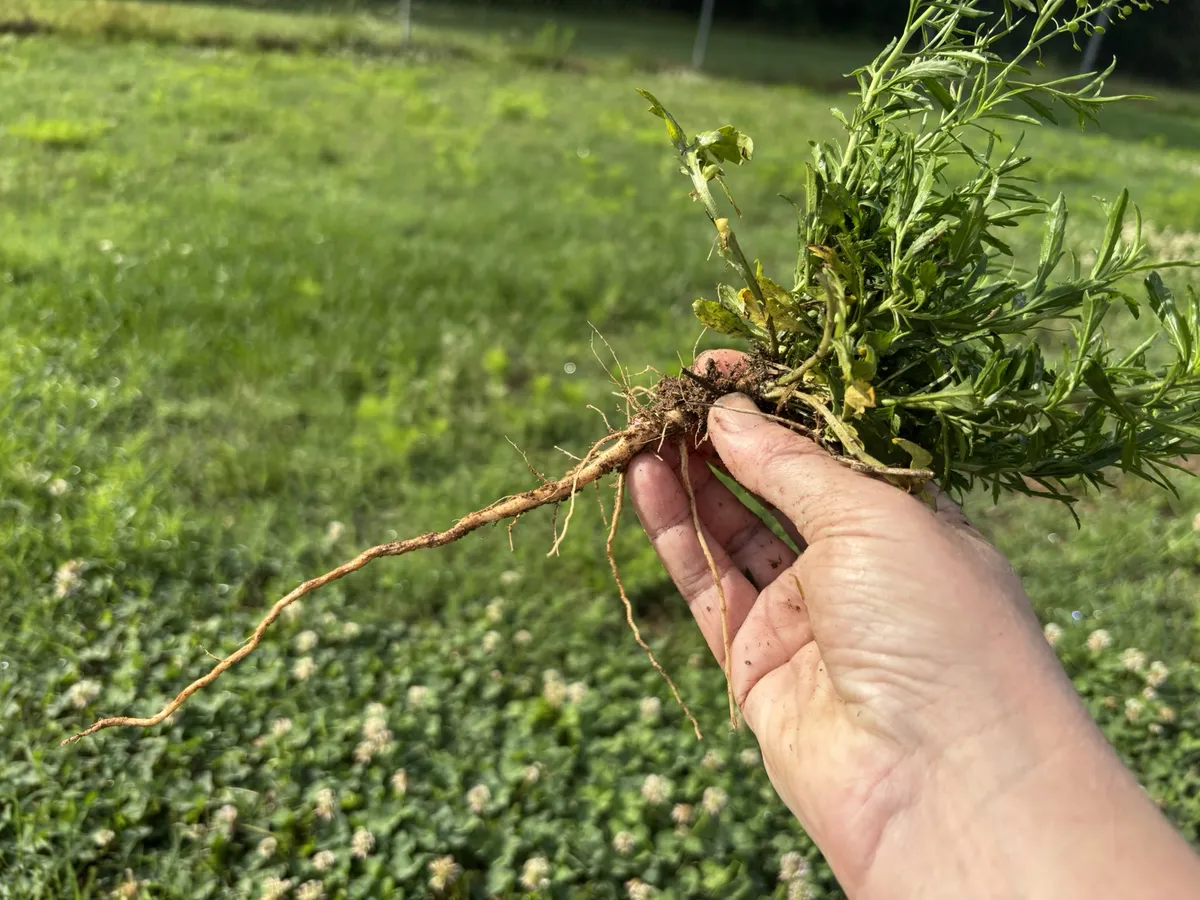
A better picture may be a root system rather than one tidy root with a label attached.
Some things help shape the starting point. Something else may have been the event that changed the pattern. Other things may still be keeping it going. Then whatever happened today is the thing that finally gets our attention.
That wonderful summer tomato seems to have caused a variety of uncomfortable gut sensations.
But that tomato may also simply be the last thing that arrived at a fairly crowded party.
So what are we actually looking for?
Almost every story I hear has some version of:
“Everything was okay, or at least manageable, until…”
That “until” matters.
Maybe there was an illness, a major life change, a stressful season, or some other shift that changed the whole picture.
After that, the old rules may stop working. Foods that once felt safe may not feel so safe anymore. The things that used to help you steady the ship may suddenly seem less reliable.
A significant stressor, and I mean significant to you, changes what your body has to manage. Recovery takes time. Sometimes the body rebounds fairly quickly. Sometimes it doesn't. And while you are recovering, life does not exactly stop adding new demands.
Then something happens today and gets all the attention.
This is where the tomato gets arrested, guilty until proven innocent.
But the thing we can see most clearly is not always the whole explanation.
This is where patterns help
Once we stop asking one factor to explain everything, it can briefly feel like everything matters.
We don't need to investigate all of it at once. That usually gives us more information and less clarity.
Instead, we can start asking what repeats.
What changed first?
What tends to happen before the symptom shows up?
Which symptoms tend to arrive together?
And one of my favorite questions:
What is different on the days the same food feels fine?
That question can tell us more than the name of the food.
If the same meal is fine one day and miserable the next, we may be looking at more than a simple food-versus-body problem.
Maybe the food matters only under certain conditions. Maybe timing matters. Maybe the reaction is part of a larger pattern that was harder to see when we were focused on the last thing eaten.
Still doesn't give us one tidy root cause.
It gives us something better to work with: your pattern.
Something can matter without explaining everything
This is another place we can get stuck.
We find one thing that seems relevant, then either dismiss it because it does not explain everything or ask it to explain far more than it reasonably can.
A contributor can matter without being the whole story.
And its importance can change.
What mattered most when the whole pattern began may not be what matters most now.
That is why I am much more interested in the pattern than in crowning one winner as The Root Cause.
The goal is not to find one perfect villain
When we are tired and uncomfortable, it is tempting to build a case.
This food is the problem. This exposure ruined everything. This gene explains me. This test finally proves it.
Sometimes the case really is that clear, but more often, the story is more layered.
We don't need to force every symptom into one explanation. We need enough of the picture to choose a reasonable next step.
That might mean addressing an exposure, simplifying what you're doing, getting appropriate medical testing, or reducing one current burden. It might also mean waiting and watching before making another food rule.
We don't have to solve the whole root system before we can support one part of it.
If this sounds familiar, my free guide Why “Safe” Foods Keep Changing walks through five often-overlooked things that can change how food feels from one day to the next.
Not another food list. Just a place to start looking at the bigger picture.
60-Second Self-Care
Make One Thing Easier
Set a timer for one minute and think about what your body is managing today.
Not forever.
Today.
Then ask: What is one small thing I can make easier?
Maybe you eat before you become shaky and ravenous. Move one decision to tomorrow. Ask for help with one thing you do not actually have to carry alone today. Go to bed 20 minutes earlier.
Choose one and finish this sentence:
Today, I can reduce the load by __________.
This will not identify every contributor.
It gives your body one less thing to manage while you keep sorting the larger story.


